Diagnostic Tests for Diabetes
Diagnostic Test list for Diabetes: The list of diagnostic tests mentioned in various sources as used in the diagnosis of Diabetes includes:
- Physical Examination
- Urine sugar test
- Urine ketones test
- Oral Glucose Tolerance Test (OGTT) - also called "glucose challenge" test.
- Blood glucose tests
- C-peptide blood test
- Insulin level blood test
- Self-managed blood glucose testing
- Fingerprick blood drop blood glucose tests
- Urine glucose home testing
- Urine ketone home testing
- See also the various tests for complications of diabetes such as:
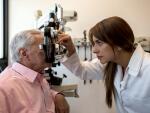
- Diabetes eye tests - see also tests for diabetic retinopathy
- Kidney tests - see also tests for diabetic nephrophathy
- Nerve tests - see also tests for diabetic neurophathy
- Foot tests - see also tests for diabetic peripheral neurophathy
- Reflex tests - also for diabetic neurophathy
- Foot reflex test
- Knee reflex test
- Other tests for associated conditions or other problems:
- Type 1 diabetes antibody tests
- Glutamic Acid Decarboxylase (GAD) antibody tests - tests for Type 1 diabetes antibodies.
- Islet cell antibody (ICA) tests
- Insulin antibody tests
- Tests for conditions related to Type 1 diabetes
- TSH blood test - tests thyroid function; see tests for thyroid conditions
- Vitamin B12 blood test - test for pernicious anemia and other digestive problems
- Tests for ongoing monitoring of diabetes control:
- HbA1c blood test - an average blood sugar measure over about 3 months.
- Fructosamine blood test - an average blood sugar measure over about 2 weeks
- Tests to detect initially and then regularly screen for diabetes complications:
- Lipids and cholesterol - used to test risks of heart disease from diabetes.
- Blood pressure tests
- Eye tests
- Foot tests
- Urine protein test - tests for kidney problems.
- Microalbumin urine test - also called "microalbuminurea" test; detects early kidney problems.
Tests and diagnosis discussion for Diabetes: The fasting plasma glucose test is the preferred test for diagnosing type 1 or type 2 diabetes. However, a diagnosis of diabetes is made for any one of three positive tests, with a second positive test on a different day:
- A random plasma glucose value (taken any time of day) of 200 mg/dL
or more, along with the presence of diabetes symptoms.
- A plasma glucose value of 126 mg/dL or more, after a person has
fasted for 8 hours.
- An oral glucose tolerance test (OGTT) plasma glucose value of 200 mg/dL or more in the blood sample, taken 2 hours after a person has consumed a drink containing 75 grams of glucose dissolved in water. This test, taken in a laboratory or the doctor's office, measures plasma glucose at timed intervals over a 3-hour period.
Gestational diabetes is diagnosed based on plasma glucose values measured during the OGTT. Glucose levels are normally lower during pregnancy, so the threshold values for diagnosis of diabetes in pregnancy are lower. If a woman has two plasma glucose values meeting or exceeding any of the following numbers, she has gestational diabetes: a fasting plasma glucose level of 95 mg/dL, a 1-hour level of 180 mg/dL, a 2-hour level of 155 mg/dL, or a 3-hour level of 140 mg/dL. 1
If you are 45 years old or older, you need to get tested for diabetes, even if you do not have any of the risk factors listed below. If you are younger than 45 and have one or more risk factors, you should also get tested. Ask your doctor for a fasting blood glucose test. The results of this blood test will tell your doctor how much glucose is in your blood. Your doctor may ask you to have the test twice.
Even if your blood glucose level is normal and you have no risk factors, if you are over 45, you may need to remind your doctor to check your blood glucose again in 3 years. If you have at least one of the risk factors below, have your blood checked more frequently.2
A Lower Number To Diagnose Diabetes The expert committee also recommended a lower fasting plasma glucose (FPG) value to diagnose diabetes. The new FPG value is 126 milligrams per deciliter (mg/dL) or greater, rather than 140 mg/dL or greater. This recommendation was based on a review of the results of more than 15 years of research. This research showed that a fasting blood glucose of 126 mg/dL or greater is associated with an increased risk of diabetes complications affecting the eyes, nerves, and kidneys. When diagnosis was based on a blood glucose value of 140 mg/dL or greater, these complications often developed before the diagnosis of diabetes. The experts believe that earlier diagnosis and treatment can prevent or delay the costly and burdensome complications of diabetes.
The prior criteria for diagnosing diabetes relied heavily on performing an oral glucose tolerance test (OGTT). In this test, the person must come in fasting, drink a glucose syrup, and have a blood sample taken 2 hours later. This complicated procedure made detection and diagnosis of diabetes a difficult and cumbersome process, and the expert committee recommended that it be eliminated from clinical use. The change to using fasting plasma glucose for determining the presence of diabetes will make detection and diagnosis of diabetes more routine. The fasting value can be easily obtained during routine physician visits, in clinics at the place of employment, and other situations. Currently, about 5 to 6 million adults in the United States have diabetes but do not know it. The simpler testing method of measuring fasting glucose should help identify these people so they can benefit from treatment sooner.3
The committee states that diabetes can be detected by any of three positive tests. To confirm the diagnosis, there must be a second positive test on a different day.
-
A casual plasma glucose level (taken at any time of day) of 200 mg/dL or greater when the symptoms of diabetes are present.
-
A fasting plasma glucose value of 126 mg/dL or greater.
-
An OGTT value in the blood of 200 mg/dL or greater measured at the 2-hour interval.
The new diagnostic criteria for diabetes include the following changes:
- The routine diagnostic test for diabetes is now a fasting plasma
glucose test rather than the previously recommended oral glucose
tolerance test. (However, in certain clinical circumstances, physicians
may still choose to perform the oral glucose tolerance test.)
- A confirmed** fasting plasma glucose value of greater than or equal
to 126 milligrams/deciliter (mg/dL) indicates a diagnosis of diabetes.
Previously, a value of greater than or equal to 140 mg/dL had been
required for diagnosis.
- In the presence of symptoms of diabetes, a confirmed** nonfasting
plasma glucose value of greater than or equal to 200 mg/dL indicates a
diagnosis of diabetes.
- When a doctor chooses to perform an oral glucose tolerance test (by administering 75 grams of anhydrous glucose dissolved in water, in accordance with World Health Organization standards, and then measuring the plasma glucose concentration 2 hours later), a confirmed** glucose value of greater than or equal to 200 mg/dL indicates a diagnosis of diabetes.
*For further information about the new diagnostic
criteria for diabetes, please see the "Report of the Expert Committee on
the Diagnosis and Classification of Diabetes Mellitus," in the References.
**Except in certain specified circumstances, abnormal tests must be
confirmed by repeat testing on another day.
One other number to know is the result of a blood test your doctor does called hemoglobin A-1-c (HE-muh-glow-bin A-1-C) or glycated hemoglobin (GLY-kay-ted HE-muh-glow-bin). It shows your blood glucose control during the past 2 to 3 months. For most people, a good hemoglobin A-1-c is 7 percent. 5
Each year make sure your doctor tests a sample of your urine to see if your kidneys are leaking albumin. If your kidneys are not leaking a lot of albumin, ask your doctor to check your urine for even smaller amounts of albumin. This is called microalbumin (MY-kro-al-BYOO-min). 6
Your doctor might test your blood to measure the amounts of creatinine (kree-AT-ih-nin) and urea (yoo-REE-uh). These are waste products your body makes. If your kidneys are not cleaning them out of your blood, they can build up and make you sick.
Your doctor might also ask you to collect your urine in a large container for a whole day or just overnight. 6
A diagnosis of diabetes can be confirmed by a series of tests that might include:
-
A blood test that measures the glucose in your blood. A blood glucose level of 200 milligrams per deciliter (mg/dL) or greater, with symptoms, means that you have diabetes.
-
A blood test for glucose after you have fasted, called fasting plasma glucose (FPG) value. An FPG value of 126 mg/dL or greater means that you have diabetes.
-
A measurement of glucose in your blood through an oral glucose tolerance test (OGTT). Although this test is no longer recommended because it is cumbersome, some health care providers may still use it. After fasting, you have to drink a glucose syrup and have a blood sample taken 2 hours later. An OGTT value of 200 mg/dL or greater means that you have diabetes.
Diagnosis of Diabetes: medical news summaries: The following medical news items are relevant to diagnosis of Diabetes:
- 70% of people in India may have undiagnosed diabetes
- Blood protein concentration may determine heart disease risk
- Celiac disease is a chronically undiagnosed and misdiagnosed condition
- Chronic pancreatitis can lead to diabetes
- Eye doctors can pick up a variety of diseases from an eye examination
- Gender-specific health differences need further examination
- Increasing awareness of cancer symptoms by doctors and patients may improve diagnosis
- Kidney disease is a seriously underdiagnosed condition in Australia
- MBL protein level linked to heart attack risk in diabetics
- Pancreatic cancer surgery less common in black men
- Plant protein may protect against some human diseases
- Prostate cancer risk reduced in diabetics
- Restless Leg Syndrome still difficult to diagnose
- Strict guidelines need to be followed for an accurate blood pressure reading
- Symptoms of old age may be similar to many other treatable conditions
- Uncontrolled diabetes can have serious consequences
Footnotes:
1. excerpt from Diabetes Overview: NIDDK
2. excerpt from Am I at Risk for Type 2 Diabetes: NIDDK
3. excerpt from Diabetes Diagnosis: NIDDK
4. excerpt from Diabetes Statistics in the United States: NIDDK
5. excerpt from Medicines for People With Diabetes: NIDDK
6. excerpt from Keep your kidneys healthy: NIDDK
7. excerpt from Diabetes: NWHIC
Last revision: April 10, 2003
Medical Tools & Articles:
Next articles:
Medical Articles: